With the technology we have today, it is relatively easy to access the internet almost anywhere. We carry laptops, ipods, or smartphones capable of wifi so it is easier to stay connected. However this ease of access to the internet also creates more exposure to negative things. Eating disorders have been an issue among young girls, however the numbers of girls suffering from this disorders has increased in the past few years.
Erika Glass states that the increase in eating disorders is caused by the influx of images we get from the media every day. Glass mentions that the media idolizes celebrities and their physique and therefore more girls are trying to find ways to look like their idols. In her blog post, Glass references popular celebrities that can be identified for their eating disorders in a way to appeal to pathos and logos because not only does she mention the celebrities, but in order to create her argument, she also gives a detailed description, using harsh adjectives to describe how sick these celebrities look.
Another way in which technology has increased its effects on eating disorders is by the use of social media. In a different blog post, Andrea Garcia-Vargas states that through twitter, tumbler, and pinterest, girls who are pro-ana and pro-mia (pro anorexia and pro bulimia) have more access to images that worship these disorders. Garcia-Vargas attempts to appeal to ethos and pathos by describing her own experiences with exposure to pro-ana and pro-mia websites and her attempt at anorexia as well; she also uses gruesome descriptions on how people with the disorders look like in an attempt to stop girls from developing one.
Friday, February 22, 2013

Sunday, February 3, 2013
Music Cycles
Growing up, my parents told me countless times to "quiet down that noise." I never really understood why they were so adamant about not listening to any of my music. It wasn't until now that I understand where they were coming from.
It seems like complaining about the younger generations' pop music is a cycle that repeats with every new generation. My parents disliked my brothers' music, and my brothers (both of them at least 10 years older than me) disliked my music. Today, I see myself disliking this new generation of music and I'm pretty sure my nephews will dislike the future generation of music.
 I am not a fan of Justin Bieber, One Direction, or Selena Gomez in the slightest, but I don't think that they are the worst thing that has happened to music. However, how much different can they be from Britney Spears, the Backstreet Boys, and the Spice Girls from ten years ago? Probably not that much: they are all teen idols, they all started their careers young, and their music is considered part of the "pop culture."
Nowadays, you are considered a cultured person if you listen to The Beatles, Queen, The Rolling Stones, etc. Even the 90's generation pride themselves on their music to the point where they are bringing it back and holding it in high esteem. This makes me wonder whether in 30 or 40 years from now, people who listen to bands such as Nsync, Green Day, and dare I say it, One Direction will be considered cultured. I know that those comparisons seem outrageous right now, but we can't control what is considered to be cultured and what isn't.
Music changes from decade to decade. Is the music that is now looked down upon by the older generations bound to be admired and worshiped by future generations the way we admire the music from our parents' generations? Only time will tell.
It seems like complaining about the younger generations' pop music is a cycle that repeats with every new generation. My parents disliked my brothers' music, and my brothers (both of them at least 10 years older than me) disliked my music. Today, I see myself disliking this new generation of music and I'm pretty sure my nephews will dislike the future generation of music.
 I am not a fan of Justin Bieber, One Direction, or Selena Gomez in the slightest, but I don't think that they are the worst thing that has happened to music. However, how much different can they be from Britney Spears, the Backstreet Boys, and the Spice Girls from ten years ago? Probably not that much: they are all teen idols, they all started their careers young, and their music is considered part of the "pop culture."
Nowadays, you are considered a cultured person if you listen to The Beatles, Queen, The Rolling Stones, etc. Even the 90's generation pride themselves on their music to the point where they are bringing it back and holding it in high esteem. This makes me wonder whether in 30 or 40 years from now, people who listen to bands such as Nsync, Green Day, and dare I say it, One Direction will be considered cultured. I know that those comparisons seem outrageous right now, but we can't control what is considered to be cultured and what isn't.
Music changes from decade to decade. Is the music that is now looked down upon by the older generations bound to be admired and worshiped by future generations the way we admire the music from our parents' generations? Only time will tell.
Friday, January 25, 2013
What is culture?
There is no easy way to define what culture is because it means many different things to different people. What my definition of culture is might not be the same as the definition of the person sitting across from me.
To me however, culture is a set of behaviors, beliefs, and interests that defines a group of people. Each one of these categories can also be split into two different subcategories: traditional and contemporary. How does this work?

Take for example Japan; before World War II started the Japanese culture was known for being traditional, barely influenced by any outsiders, and kept their traditions intact. Nowadays however, Japan has become a more industrialized country which competes on a daily basis with countries in the Western world such as the United States. The younger generations are not as traditional as their parents and grandparents, and they have been influenced by outside countries, but that doesn't mean that they are losing their culture, in fact, they are creating their own culture. By grabbing bits and pieces of the culture from their parents and what the media has made available for them, the youth have been able to construct their own culture and create something that defines them as a group, such as otakus and cosplayers. The same happens around the world since culture varies geographically and across time.
In conclusion, the definition of culture varies from place to place and from people to people. In my case, culture is what defines a group of people across a spectrum of things such as interests, behaviors, and traditions; but what does culture mean to you?
To me however, culture is a set of behaviors, beliefs, and interests that defines a group of people. Each one of these categories can also be split into two different subcategories: traditional and contemporary. How does this work?
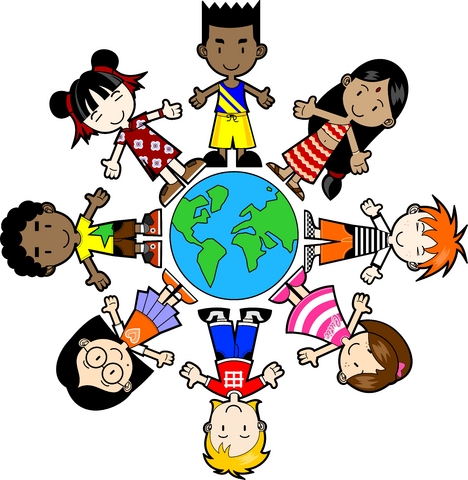
Take for example Japan; before World War II started the Japanese culture was known for being traditional, barely influenced by any outsiders, and kept their traditions intact. Nowadays however, Japan has become a more industrialized country which competes on a daily basis with countries in the Western world such as the United States. The younger generations are not as traditional as their parents and grandparents, and they have been influenced by outside countries, but that doesn't mean that they are losing their culture, in fact, they are creating their own culture. By grabbing bits and pieces of the culture from their parents and what the media has made available for them, the youth have been able to construct their own culture and create something that defines them as a group, such as otakus and cosplayers. The same happens around the world since culture varies geographically and across time.
In conclusion, the definition of culture varies from place to place and from people to people. In my case, culture is what defines a group of people across a spectrum of things such as interests, behaviors, and traditions; but what does culture mean to you?
Subscribe to:
Posts (Atom)